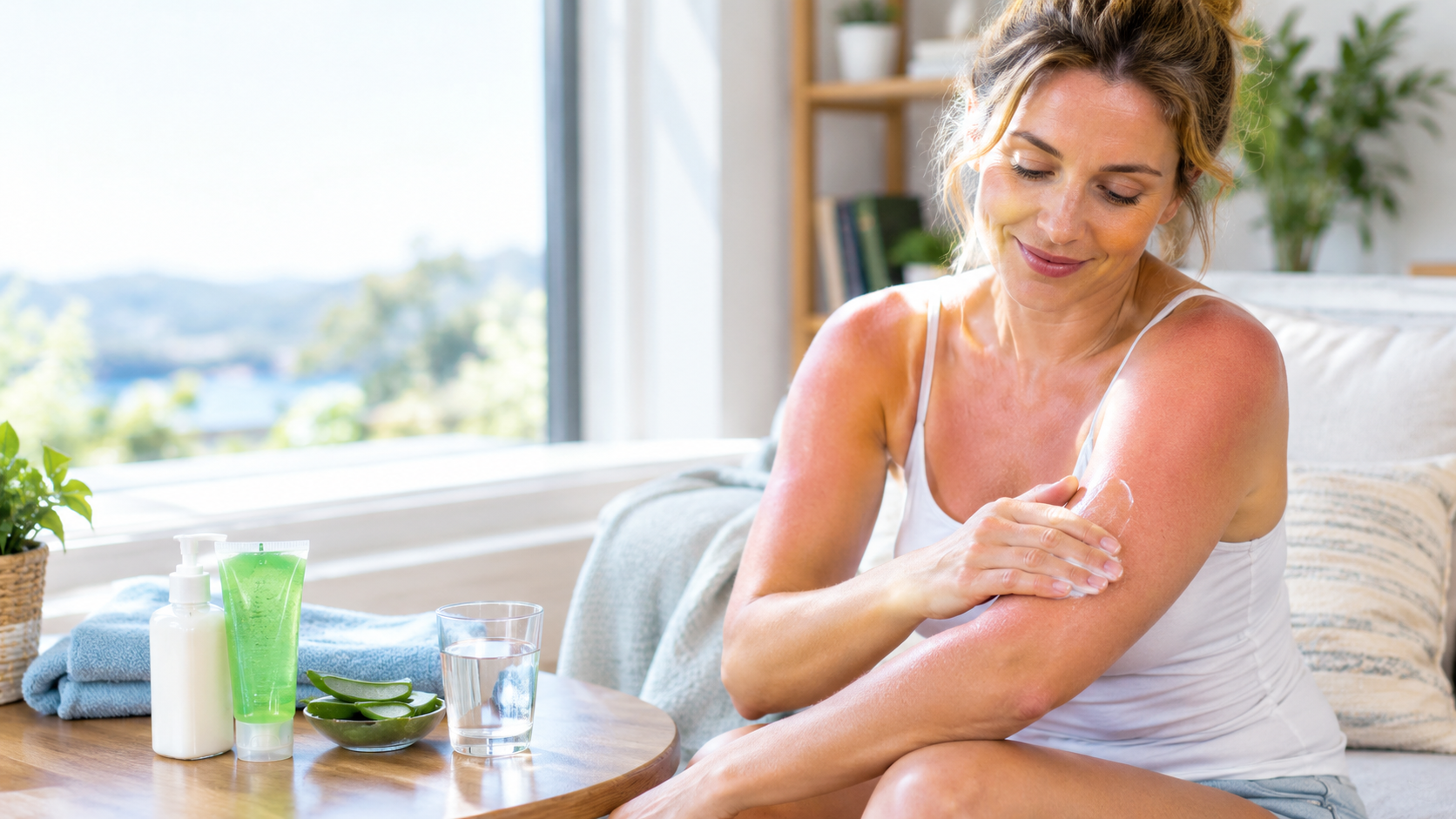
We have all been there: after a lovely afternoon in the garden, your skin may glow bright red by evening. When stinging starts, finding effective sunburn relief becomes your top priority. Cooling and moisturising can improve comfort, but cannot instantly reverse ultraviolet skin damage.
Your skin may keep developing symptoms for several hours after exposure, so early action matters. This guide shares practical, friendly advice and the best sunburn remedies for soothing discomfort. It covers immediate care, common treatment mistakes, and essential tips for future protection.
Learning how to get rid of a sunburn quickly is useful for any summer enthusiast. If you experience severe blistering, fever, or dizziness, seek professional medical advice instead of relying on self-care. Let us look at how you can manage your skin health safely and effectively.
What Current UK Health Advice Says About Sunburn
Many people are surprised to find that their skin continues to redden long after they have moved into the shade. This happens because ultraviolet injury is not always immediate; it can develop in deeper skin layers.
Why sunburn can continue developing after sun exposure
Even when you are no longer in direct sunlight, damage to your skin cells can continue. This delayed reaction occurs because the inflammatory response takes time to fully begin. Effective sunburn management requires you to recognise that skin may look worse hours after leaving the beach or park.
What NHS and dermatology guidance recommends for early sunburn care
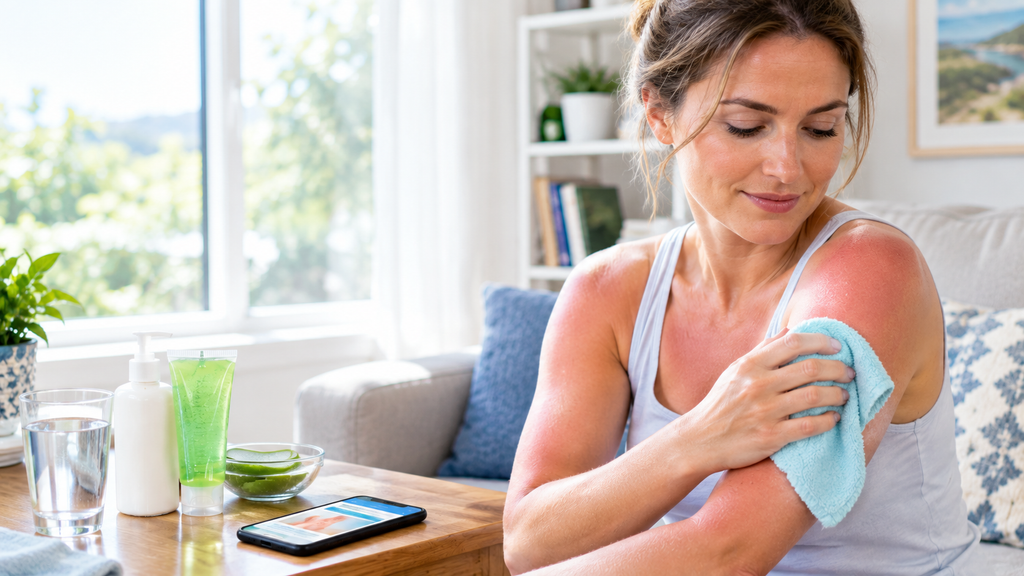
When I look at official advice, the focus is always on cooling the skin and preventing further irritation. The NHS suggests moving out of the sun immediately. Cool the affected area with a damp cloth or cool shower, and drink plenty of water. Proper sunburn care involves keeping the skin hydrated from the inside out while avoiding further exposure to UV rays.
How to recognise mild, moderate and severe sunburn
It is important to know when you can treat a burn at home and when you need professional help. The following table outlines the common signs associated with different levels of skin damage.
| Severity | Skin Appearance | Physical Sensation |
|---|---|---|
| Mild | Pink or light red | Warmth and mild tenderness |
| Moderate | Deep red and swollen | Painful to touch, potential small blisters |
| Severe | Dark red or purple | Intense pain, large blisters, fever |
Why quick relief supports comfort rather than instantly repairing damaged skin
I often remind myself that while I can soothe the pain, I cannot magically undo cellular damage. Most sunburn treatment options are designed to manage heat, dryness, and discomfort while the body performs its natural healing process. By focusing on symptom relief, you provide your skin with the best environment to recover naturally over the coming days.
How to Get Rid of a Sunburn Quickly During the First Few Hours
The first few hours after sun exposure are critical for minimising the impact of a burn. Knowing how to get rid of a sunburn quickly can stop the problem becoming more painful. I always recommend acting quickly to protect your skin from further damage.
Move indoors and stop further ultraviolet exposure
The most important step is leaving the sun immediately. Even after slight exposure, your skin may continue to react. Finding shade or moving indoors is one of the best fast sunburn remedies for stopping UV rays deepening the injury.

Cool the skin with a lukewarm shower, bath or damp cloth
To soothe sunburn effectively, lower your skin temperature. I suggest using a lukewarm shower or cool, damp cloth instead of ice-cold water. This gentle approach provides fast sunburn relief without shocking sensitive skin.
Pat the skin dry and apply a gentle, unperfumed moisturiser
After cooling the area, pat your skin dry with a soft towel instead of rubbing it. Applying a fragrance-free, gentle moisturiser is among the best sunburn remedies for locking in moisture. Check the label to ensure the product suits sensitive skin.
When aloe vera gel may help soothe heat and tightness
Many people find pure aloe vera gel excellent for cooling the skin. It can be one of the most helpful remedies for sunburn when you have intense heat and tightness. If you notice stinging or increased redness, wash it off immediately, as an ingredient may be causing a reaction.
Drink water regularly and wear loose, soft clothing
Your body needs extra hydration to recover from a burn, so drink plenty of water throughout the day. Wearing loose, soft clothing prevents friction and lets your skin breathe. These sunburn home remedies keep you comfortable during fast sunburn treatment as your body begins its natural healing process.
| Remedy Type | Primary Benefit | Application Frequency |
|---|---|---|
| Lukewarm Bath | Reduces skin heat | Once or twice daily |
| Aloe Vera Gel | Soothes tightness | As needed for comfort |
| Hydration | Supports skin repair | Throughout the day |
| Loose Clothing | Prevents irritation | Continuous wear |
Easy Remedies That Can Soothe Sunburn and Support Healing
A gentle approach can ease burn discomfort and support your skin’s natural recovery. Hydration and cooling techniques can alleviate sunburn while your body repairs itself.
Use cool compresses for localised sunburn pain relief
For quick sunburn pain relief, place a cool, damp cloth gently over the affected area for ten to fifteen minutes.
This simple method draws heat from the skin and can soothe sunburn sensations. Use cool, not icy, water to avoid shocking sensitive skin.

Choose moisturisers that reduce dryness, peeling and irritation
Good sunburn care keeps skin hydrated and prevents excessive tightness. A fragrance-free, gentle moisturiser locks in moisture and supports the sunburn healing process.
Ingredients to look for in a soothing after-sun product
Choose ingredients known for their calming properties. Aloe vera and soy-based moisturisers can alleviate sunburn discomfort effectively.
Avoid petroleum or oil-based ointments because they can trap heat inside the skin. Choose light, water-based lotions so your skin can breathe during sunburn recovery.
Take suitable pain relief when discomfort is affecting sleep or movement
If your skin feels sore, over-the-counter medicine may help. Paracetamol or ibuprofen can provide sunburn pain relief and help you sleep comfortably.
Important precautions before taking paracetamol or ibuprofen
Before starting any sunburn treatment, read the packet instructions carefully. Check for possible interactions if you have asthma, stomach problems, or are pregnant.
Consult your pharmacist if you have allergies or take other medicines. Using these tablets correctly supports your sunburn recovery plan.
Protect peeling skin while it completes its natural recovery
Peeling is normal during sunburn healing. Healing sunburn should be allowed to shed dead skin naturally.
Do not pull or pick loose skin, as this can cause infection or scarring. Keep the area clean and moisturised so your sunburn treatment stays safe and effective.
Sunburn Treatment Mistakes That Can Delay Recovery
Some home remedies do more harm than good and can delay natural skin recovery. Pain can make you try anything, but common sunburn treatment ideas may worsen the burn.
Why ice, very cold water and harsh scrubbing can worsen irritation
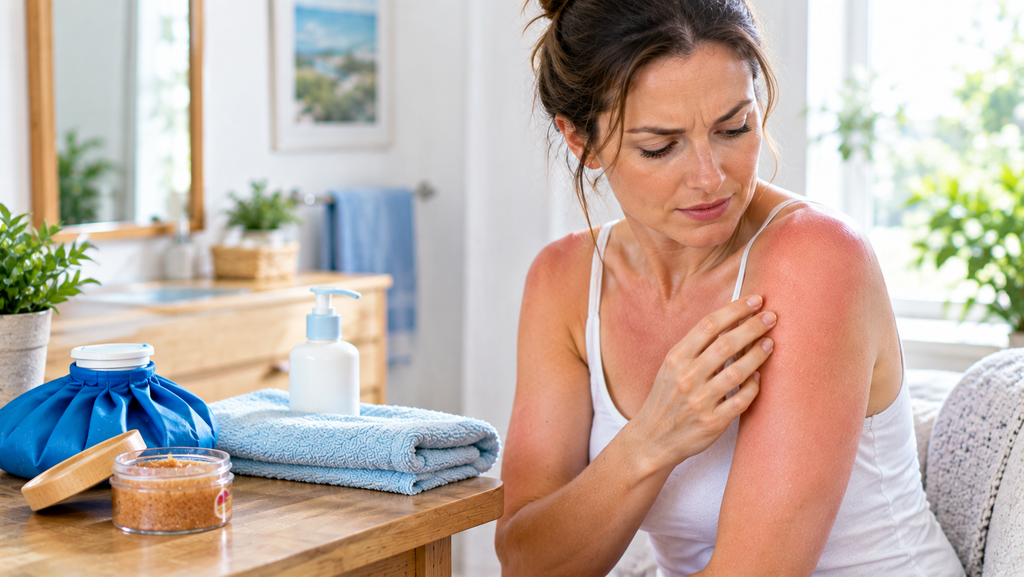
Putting ice directly on a burn is a serious mistake. Extreme cold can reduce blood flow, which the area needs to heal, and damage delicate tissue. Use cool, not freezing, water to soothe the heat.
Avoid scrubbing your skin with loofahs or harsh cloths. Even if the skin feels rough, gentle care is vital. Strong rubbing can tear the top skin layer, causing more pain and increasing infection risk.
Why I would avoid popping blisters or pulling away peeling skin
Blisters can tempt you, but do not pop them. They form a natural, sterile bandage that protects raw skin while it heals. Breaking them lets bacteria enter and may cause infection.
Do not pull at peeling skin. It may still cover sensitive, healing layers. Let it shed naturally when it is ready.
Products and home remedies to avoid on freshly burned skin
Not every bathroom item suits sun-damaged skin. Many popular sunburn home remedies contain ingredients that trap heat or cause allergic reactions. Choose your sunburn care tips carefully for a smoother recovery.
Why petroleum-based products, perfumed lotions and exfoliants may be unsuitable
I avoid petroleum-based ointments because they form a thick barrier that traps heat in the skin. This can increase the burning feeling instead of cooling it. Perfumed lotions may also contain alcohol or fragrances that irritate inflamed skin.
Exfoliants are among the worst choices for a fresh burn. They remove dead cells, but can also strip healthy, protective layers from sunburned skin. This causes longer-lasting redness and greater sensitivity.
The skin barrier is your first line of defence against the environment. When it is compromised by UV damage, you must treat it with the same care you would give an open wound.
How to stay out of direct sunlight while the skin heals
The best of all sunburn remedies is staying out of the sun until your skin fully recovers. Even a little extra UV exposure can restart the healing process. I wear loose, protective clothing if I must go outside while recovering.
| Action | Status | Reasoning |
|---|---|---|
| Applying Ice | Avoid | Restricts blood flow |
| Popping Blisters | Avoid | Increases infection risk |
| Using Exfoliants | Avoid | Damages healing tissue |
| Staying Indoors | Recommended | Prevents further UV damage |
Following these sunburn treatment ideas lets your body focus on repair. Patience is an important part of effective recovery. With care, your skin can return to a healthy state much faster.
When to Seek Medical Help and How to Prevent Another Sunburn
Most cases resolve at home, but knowing medical warning signs helps protect your safety. Good sunburn management means watching how your skin reacts in the following days.
Warning signs that require urgent medical advice
Do not ignore symptoms showing that your body is struggling with the damage. Early professional help can shorten your sunburn recovery time.
Severe blistering, swelling, extensive burns or signs of infection
Contact your GP or call 111 if you notice large, painful blisters or major swelling. Check for infection signs, including pus, red streaks, or more pain and warmth around the area.
Heat exhaustion, heatstroke, dizziness, confusion or dehydration
Sunburn can occur with systemic heat illness. Seek urgent medical help if you feel dizzy or confused, or have a high temperature, to prevent heatstroke.
Extra care for babies, young children and people with vulnerable skin
Babies and young children have thinner skin, so they face a higher risk of complications. Seek advice promptly if a child seems unwell or has widespread redness.
What to do if the sunburn does not improve as expected
If your skin shows no signs of sunburn healing after a few days, see a professional. Seek help sooner if pain becomes unmanageable. Ongoing pain or worsening symptoms may show a deeper injury needing clinical treatment.
| Symptom Level | Action Required | Urgency |
|---|---|---|
| Mild Redness | Home care and hydration | Low |
| Small Blisters | Monitor and keep clean | Moderate |
| Severe Swelling | Consult a GP or 111 | High |
| Confusion/Fever | Seek emergency care | Critical |
Practical UK sunburn prevention for future days outdoors
Effective sunburn prevention protects long-term skin health. Planning ahead lets you enjoy the British summer while guarding your skin from harmful UV rays.
Using shade, protective clothing and a broad-spectrum sunscreen
Stay in the shade during peak hours, from 11 am to 3 pm. Wear a wide-brimmed hat and loose, tightly woven clothing to create a barrier against the sun.
Reapplying sunscreen after swimming, sweating or towel drying
Even water-resistant products lose effectiveness over time. Reapply your broad-spectrum sunscreen every two hours, especially after swimming, sweating, towel drying, or outdoor activity, for consistent sunburn prevention.
You May Also Read: Lookalikey
Conclusion
Managing skin damage needs a calm approach, with gentle care instead of instant fixes. The best way to learn how to get rid of a sunburn quickly combines shade, hydration, and cooling moisture.
These steps offer essential sunburn relief while your body repairs damage beneath the skin. They support natural recovery but cannot quickly reverse ultraviolet damage.
Watch your skin closely for severe blistering or fever. If either appears, contact a medical professional or call 111 for guidance.
Consistent sunburn prevention remains the best choice for long-term health. High-factor sunscreen, protective clothing, and shade during peak hours protect your skin on sunny days.
These tips may help you feel more comfortable during recovery. Stay aware of sun exposure so your skin remains healthy and protected all year round.
FAQ
How can I get rid of a sunburn quickly?
Ultraviolet damage to skin cells cannot be reversed instantly. Cooling the skin quickly can ease discomfort and improve its appearance. I recommend a lukewarm shower, followed by generous fragrance-free moisturiser, such as Aveeno Daily Moisturising Lotion, on damp skin. This traps moisture and reduces the parched, tight feeling caused by overexposure.
What are the best fast sunburn remedies for immediate comfort?
For fast sunburn remedies, I suggest cool, damp compresses on affected areas for 15 minutes, several times daily. Then apply high-quality aloe vera gel, such as the one from Holland & Barrett, to soothe sunburn heat. Keeping the gel in the fridge gives extra chill and fast sunburn relief when skin feels hot.
Which products do you recommend for sunburn healing?
For sunburn healing, choose products that support the skin’s natural barrier. CeraVe Moisturising Cream contains essential ceramides that help relieve sunburn dryness. Drink plenty of extra water, because steady hydration supports healing and helps your body recover from the inside out.
Are there any specific sunburn home remedies I should avoid?
I strongly advise against “old-fashioned” sunburn home remedies like butter, vinegar, or toothpaste. These can irritate skin or trap heat, making the burn worse. Never apply ice directly: it can cause a cold burn. Use proven sunburn treatment ideas, such as cool water and gentle, unperfumed lotions such as E45 Cream.
What should I do for sunburn pain relief if it is affecting my sleep?
For sunburn pain relief affecting sleep, consider over-the-counter anti-inflammatories, such as Nurofen (ibuprofen) or standard-dose Panadol (paracetamol). These can reduce inflammation and stinging. Read packet instructions or consult a pharmacist, especially with asthma or stomach sensitivities, to check they are suitable.
How can I manage the peeling stage during sunburn recovery?
During sunburn recovery, skin naturally sheds damaged cells. Never pick or pull peeling skin, as this may cause infection or scarring. Use gentle moisturiser and wear loose cotton clothing from brands like Marks & Spencer to avoid friction.
When is it necessary to seek a professional fast sunburn treatment?
Extensive blistering, severe swelling, a high fever, or chills require fast sunburn treatment from a healthcare professional. Use NHS 111 for advice if the burn covers a large area. Also seek help for heat exhaustion signs, such as dizziness or a severe headache.
What is the most important part of sunburn prevention for the future?
Sunburn prevention is far easier than treating a burn. Use broad-spectrum, high-SPF sunscreen, such as La Roche-Posay Anthelios SPF50+, and reapply it every two hours. Stay in shade during peak hours, from 11 am to 3 pm, wear protective clothing, and avoid sunburn remedies.