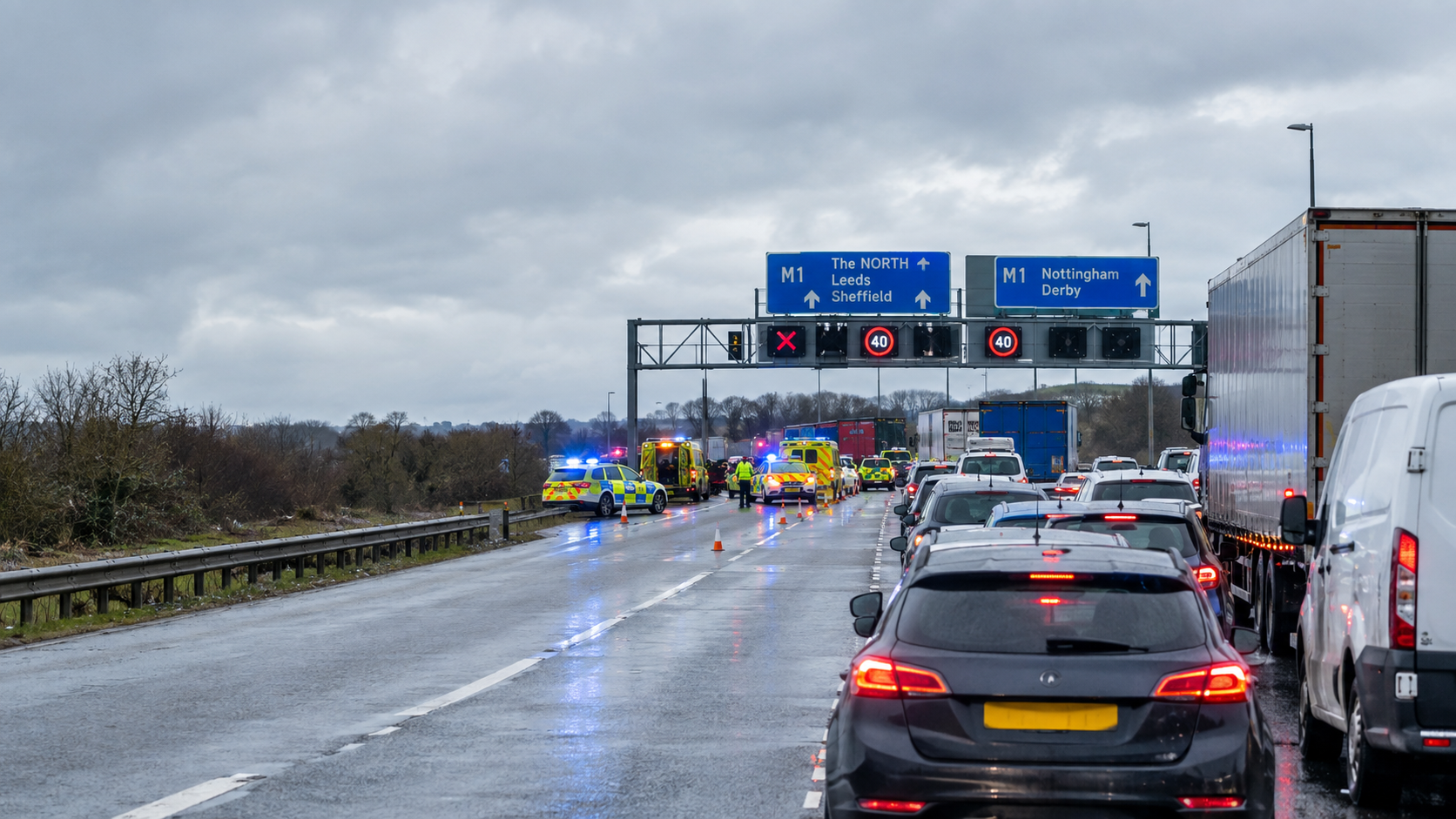
Using UK motorways needs patience and trusted information. If you searched for details about an accident m1 yesterday, travel delays can disrupt commutes and planned journeys.
I want to explain the current state of our motorways. Check any road closure or incident report with official sources, such as National Highways. Real-time updates give you the latest information before you set off.
This guide explains how to follow motorway safety news and possible delays. It is essential to check official sources for specific timings, casualty updates and diversion routes. Preparation helps you choose wisely and keep travel plans on track after unexpected road events.
What the accident m1 yesterday report confirms
For a motorway crash yesterday, I check official updates before social media rumours. Speculation spreads quickly, but verified data gives a clearer, more accurate picture.
When and where the road traffic incident occurred
To understand a road traffic incident m1, first confirm its exact time and location. Official channels, such as National Highways, provide reliable times for the first road restrictions. This helps show the scale of the disruption.
Relevant M1 junctions, carriageway direction and affected lanes
Traffic reports name the junctions involved, helping drivers plan their routes. Check whether the incident affects the northbound or southbound carriageway. Identifying the specific lanes closed shows how badly traffic may suffer during peak hours.
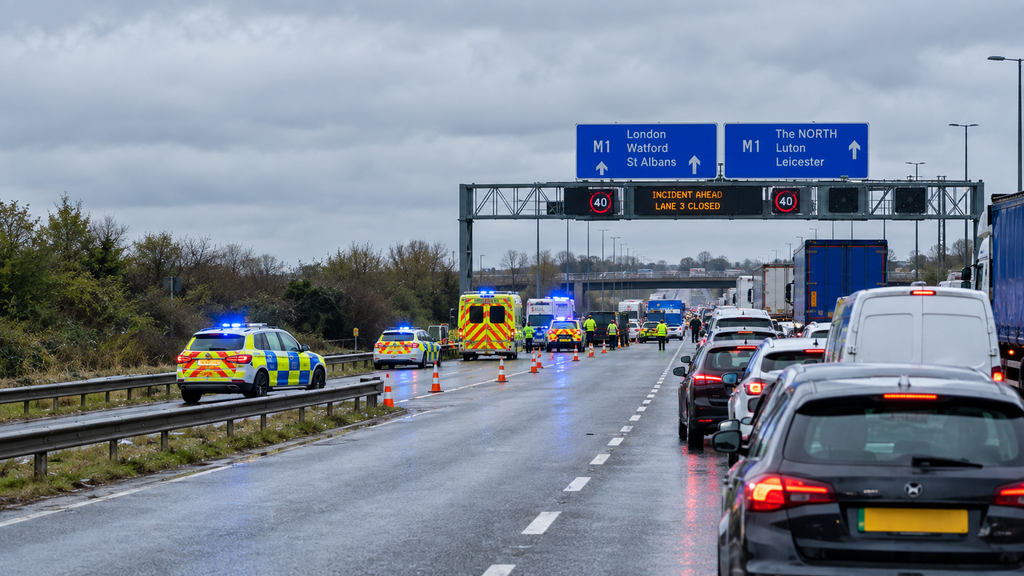
What is known about the motorway crash yesterday
To assess a motorway crash yesterday, separate confirmed facts from early reports. I check several sources and compare their details before judging the event’s severity.
Vehicles involved, collision type and emergency services response
Early reports about a road traffic incident m1 may give the wrong number of vehicles involved. Emergency services, including police and ambulance crews, will issue verified statements after securing the scene. The table below shows how to assess sources during an ongoing event.
| Source Type | Reliability Level | Typical Update Speed | Primary Focus |
|---|---|---|---|
| National Highways | High | Moderate | Road closures and delays |
| Local Police | High | Slow | Safety and investigations |
| Social Media | Low | Very Fast | Unverified observations |
| Traffic Apps | Medium | Fast | Real-time congestion |
Official sources can reduce confusion after a major incident. Staying informed through trusted channels helps you manage your travel plans.
Where the M1 was closed and delays developed
I have observed that any highway accident yesterday on the M1 can cause serious problems for commuters across the region. When a major incident happens, traffic can stop, forcing thousands of drivers to find other routes.
Understanding the specific closure points helps people navigate the motorway network. Such incidents often cause disruption long after the initial scene.
Road closure details and restricted lanes
National Highways teams usually close lanes to protect recovery crews. During a vehicle collision m1, several lanes may close so emergency vehicles can reach the scene.
Whether the northbound or southbound carriageway was affected
The impact often affects both sides of the motorway. A primary incident on the northbound carriageway can also delay southbound traffic through rubbernecking. I advise checking the closure direction before starting your journey.
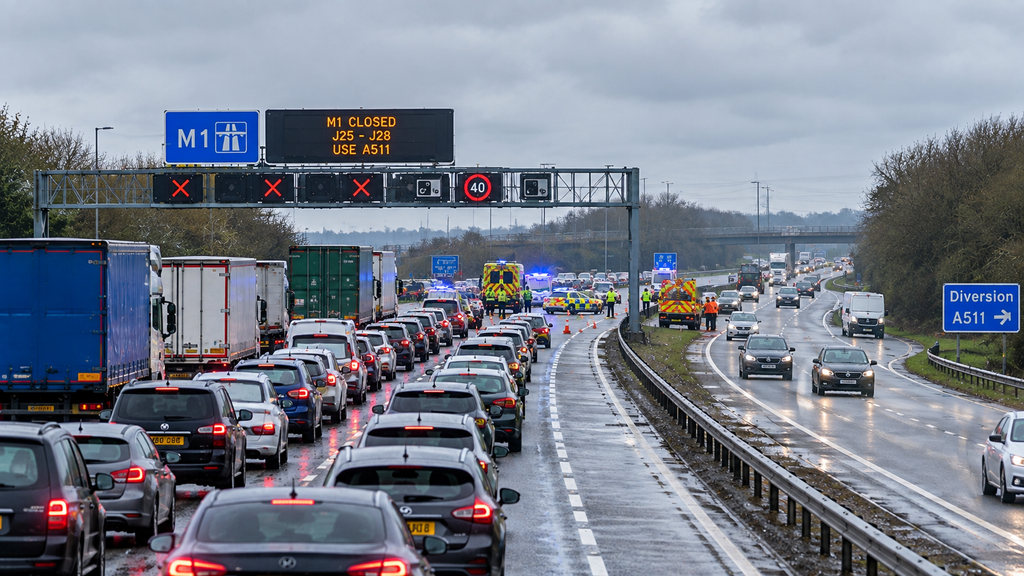
Queue lengths, delay times and surrounding congestion
When the M1 closes, queues can stretch several miles within minutes. Heavy goods vehicles using this vital artery can make delays worse. Expect much longer travel times during peak hours after such an event.
Impact on nearby junctions and alternative local routes
Diverted traffic can overwhelm local roads. Nearby junctions often gridlock as thousands of drivers try to rejoin the network further up the road. Local villages and A-roads may also struggle with this sudden influx of traffic.
| Traffic Factor | Impact Level | Expected Delay |
|---|---|---|
| Main Carriageway | Severe | 60+ Minutes |
| Junction Approaches | High | 30-45 Minutes |
| Local Diversions | Moderate | 20-30 Minutes |
| Emergency Access | Critical | Immediate |
Casualties, vehicles and the emergency response
Initial reports after a car wreck M1 can confuse readers, so rely on official updates. Social media may spread speculation before authorities assess the scene.
What has been confirmed about injuries and casualties
Please remain patient while emergency services check the condition of people involved in a traffic collision M1. Only official channels can confirm injuries or medical outcomes.
Distinguishing verified information from early reports
Wait for statements from the police or National Highways instead of trusting unverified witness accounts. Early reports may rely on limited visibility or hearsay. This can cause unnecessary alarm, so Accuracy is the priority in sensitive motorway incidents.
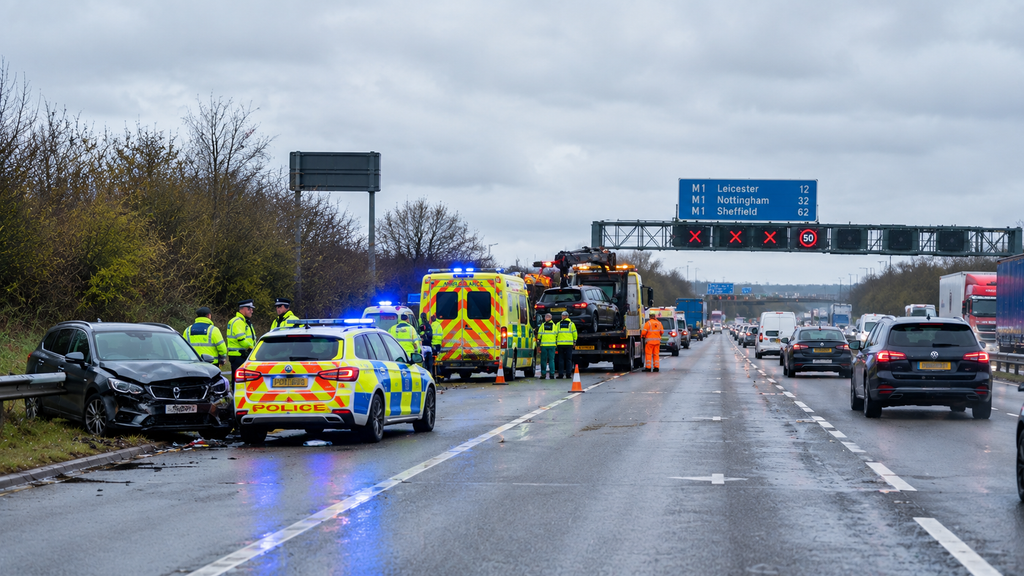
How police, ambulance crews and recovery teams responded
A major incident needs close cooperation between several agencies. Each team has a clear role, helping protect the public and clear the road efficiently.
Roadside treatment, vehicle recovery and scene management
Ambulance crews provide immediate medical care. Police manage traffic and investigate the cause of the car wreck M1. Recovery operators remove damaged vehicles after the scene is safe to enter.
| Emergency Service | Primary Responsibility | Operational Focus |
|---|---|---|
| Police | Scene safety | Traffic management and investigation |
| Ambulance | Medical care | Patient assessment and treatment |
| Recovery Teams | Vehicle removal | Clearing the carriageway efficiently |
| Highways Agency | Infrastructure | Road repairs and signage updates |
This joint approach ensures every traffic collision M1 receives expert attention. Working together, these teams aim to limit disruption and support everyone affected.
How the vehicle collision affected journeys across the UK
A single motor accident m1 yesterday can bring the national road network to a standstill. When the M1 suffers a major blockage, people feel the effects far beyond the incident site.
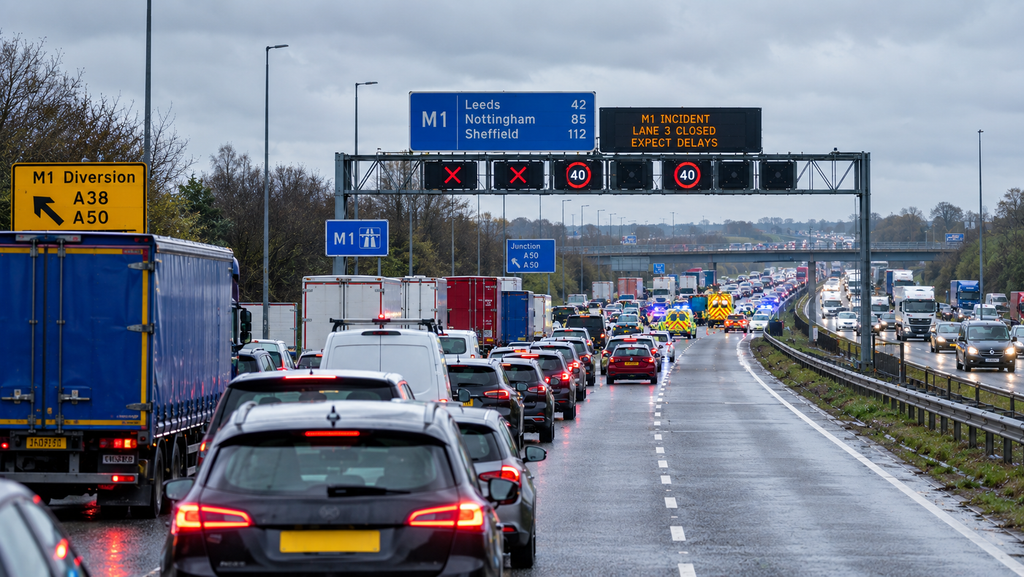
Disruption for commuters, hauliers and long-distance travellers
The M1 is a vital UK route, so any motorway crash can cause wider disruption. Commuters heading to work may sit in stationary traffic for hours. Hauliers must manage tight delivery schedules while trapped in gridlock.
Missed connections, delayed deliveries and changed travel plans
Long-distance travellers often suffer most because they depend on set times for trains or ferries. When a motorway crash closes the road, those plans can unravel within minutes. Delivery drivers may arrive late at distribution centres, disrupting supply chains across the country.
| Road User Type | Primary Impact | Typical Consequence |
|---|---|---|
| Commuters | Time loss | Late arrival at work |
| Hauliers | Schedule disruption | Missed delivery windows |
| Long-distance travellers | Connection failure | Missed trains or flights |
Traffic updates and reactions from drivers
Staying informed is essential, but too much information can feel overwhelming. Social media offers real-time updates, but official sources help prevent misinformation. Many drivers share frustrations online, yet their accounts may lack the full context of the motor accident m1 yesterday.
Why congestion may continue after lanes reopen
Traffic does not always clear when police remove the vehicles. Drivers may slow down to look, a behaviour called rubbernecking. Heavy goods vehicles accelerate slowly, and the backlog may remain even after lanes reopen. Your journey may still face delays for hours.
Latest official updates on the M1 incident
Reliable updates help me understand the aftermath of yesterday’s M1 accident. I use verified sources to avoid confusion when a major traffic incident affects travel plans.
Police and National Highways information to check
For accurate information, I check the National Highways website or its official social media feeds. These sources provide real-time maps and status reports, unlike unreliable word-of-mouth rumours.
How to verify reopening times, lane restrictions and diversions
Check the incident reference number issued by local authorities. The National Highways traffic alerts page shows restricted lanes or a full closure. Always check the latest timestamp to confirm the information is current.
| Source | Best For | Update Frequency |
|---|---|---|
| National Highways | Live road status | Every 15 minutes |
| Local Police | Safety and diversions | As events unfold |
| Traffic Radio | Immediate alerts | Continuous |
What remains under investigation
Reports about yesterday’s M1 accident may remain provisional at first. Authorities need a thorough review before confirming the cause of the traffic incident.
Possible evidence gathering, witness appeals and collision enquiries
Police teams may ask for dashcam footage or witness statements to assist their enquiries. If you were in the area, check the local constabulary’s website for an appeal notice. Cooperation with official requests helps the investigation proceed smoothly.
What drivers should do after yesterday’s M1 accident
When I hear about a serious road collision, I plan my journey with extra care. Delays can feel frustrating, but staying calm helps everyone remain safe on the motorway network.
How I would check conditions before setting off
Before starting my engine, I gather as much information as possible. Checking the latest travel news helps me avoid unnecessary queues.
Using live traffic services, travel alerts and navigation updates
I use real-time data from platforms like National Highways and dedicated traffic apps. These tools give updates on lane closures and expected clearance times. Phone alerts tell me when conditions on my route change suddenly.
Safer options when facing a motorway closure
If a sudden closure affects my journey, I look for the safest way forward. Patience is vital during motorway disruption.
Following signed diversions instead of stopping or reversing
I never reverse up a slip road or drive on the hard shoulder because both actions are incredibly dangerous. I wait for traffic officers’ instructions and follow clearly marked diversion signs. These routes manage extra traffic safely and keep local roads moving.
What to do when approaching a collision scene
When I approach an incident, I focus fully and respect workers at the scene. I slow down early, giving myself time to react to changing conditions.
Maintaining distance, obeying temporary speed limits and protecting emergency workers
I keep a safe distance from the vehicle ahead and obey temporary speed limits on overhead gantries. Keeping the area clear supports the emergency services response. I do not film or stare at the scene; I focus on the road and protect all personnel.
You May Also Read: Lookalikey
Conclusion
Using the motorway network needs patience and reliable information. Before travelling, I check official sources such as National Highways to avoid unexpected delays.
Social media rumours during a car pile-up often cause confusion. Official channels give the most accurate updates about road closures and traffic flow.
Plan your route with extra time. A sudden highway incident can change travel conditions within minutes, so flexibility remains vital for safety.
Follow every signed instruction from traffic officers at the scene. These professionals work hard to clear the road and keep everyone safe during a difficult highway incident.
I encourage you to share your road safety experiences or questions with fellow drivers. Being prepared helps us all reach our destinations without unnecessary stress after a car pile-up.
FAQ
Where can I find the most reliable information regarding an accident m1 yesterday?
I recommend checking official channels first for facts. For any road traffic incident m1, the National Highways website and regional X (formerly Twitter) feeds give real-time updates. Local police forces, such as Hertfordshire Constabulary or Northamptonshire Police, provide confirmed details about a motorway crash and road closure.
How can I tell if a motorway crash yesterday will still affect my journey today?
Before travelling, I use live tools such as Google Maps or the AA Traffic Map. Even after a highway accident yesterday is cleared, residual congestion or emergency repair work may remain. After a significant car pile-up, certain lanes might stay closed for resurfacing, so I allow extra commuting time.
What should I do if I am caught in traffic behind a vehicle collision m1?
If stuck behind a vehicle collision m1, I stay calm and remain in my vehicle unless told otherwise. I keep the hard shoulder, or the ’emergency corridor’, clear for emergency services response teams. Reversing up a slip road or motorway is dangerous and illegal; I follow official traffic incident updates and directed diversions.
Why are the details of a motor accident m1 yesterday sometimes slow to be released?
In my experience, after a serious traffic collision m1, authorities prioritise safety and family notifications over public reports. If a car wreck m1 is suspected, a specialist collision investigation unit must document the scene carefully. Waiting for news about yesterday’s m1 accident can be frustrating, but this process supports legal and safety needs.
How can I avoid the congestion caused by a road collision or highway incident?
I suggest travel alerts before starting your engine. After a road collision, I follow the ‘hollow’ or ‘solid’ triangle and circle diversion signs. Official National Highways routes beat sat-navs using narrow country lanes for heavy motorway traffic diverted by a highway incident.
Who is responsible for clearing the scene after a motor accident m1 yesterday?
It is a joint effort, and I find it impressive to witness. Police manage the investigation, while ambulance crews and fire services handle casualties. After emergency services respond, National Highways and professional recovery contractors remove car wreck m1 and debris, making roads safe.